PAE vs TURP for BPH: Side Effects, Recovery, and Results Compared
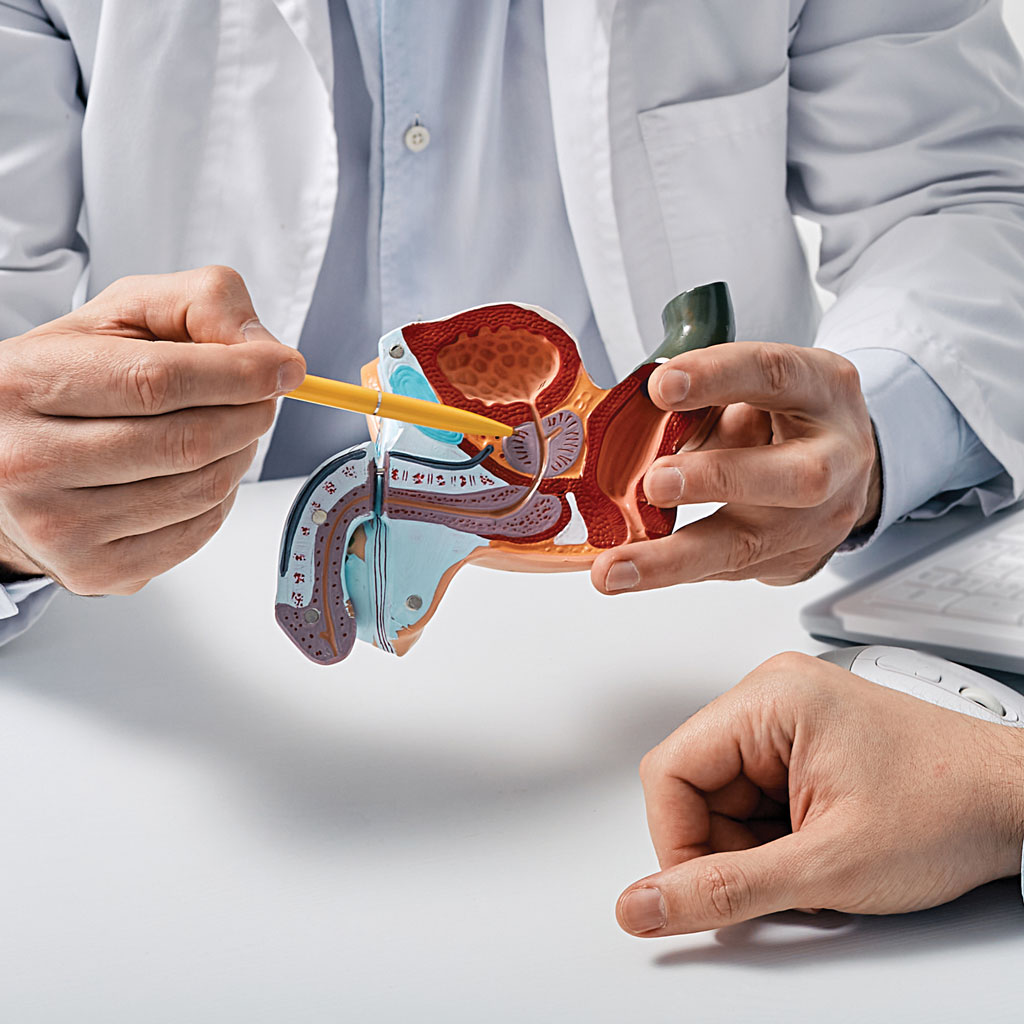
Benign prostatic hyperplasia (BPH), or an enlarged prostate, is one of the most common conditions affecting men as they age. While it isn’t cancerous, it can significantly impact quality of life—causing urinary frequency, urgency, weak stream, and disrupted sleep.
If you’ve been exploring enlarged prostate treatment options, you’ve likely come across two very different approaches: prostate artery embolization (PAE) and transurethral resection of the prostate (TURP). Both are effective, but they differ in how they work, what recovery looks like, and the types of side effects patients may experience.
But do you know which option is right for you?
This guide breaks down PAE vs TURP for BPH, comparing side effects, recovery, and results so you can make a more informed decision.
Understanding BPH and Why Treatment Matters
It’s natural for the prostate to grow as you get older, but if it starts putting pressure on the urethra, it may hinder its normal functioning. Some men experience mild symptoms that are easy to manage. Other men find themselves struggling with persistent ones.
Some drugs may be used in the early stages of treatment; however, they are not effective for all patients and, more importantly, they do not address the problem of growth.
The important thing is to choose the method that works best for you: PAE vs TURP for BPH.
What Is TURP?
Transurethral Resection of Prostate (TURP) has traditionally been one of the established forms of surgery in cases of BPH. The surgery is carried out using a scope that is passed into the urethra and helps to remove some of the extra prostate tissue.
This procedure helps to eliminate the excess tissue, resulting in considerable and instant improvement in symptoms. This procedure is still a form of surgery; therefore, having some side effects associated with the process.
It requires general anesthesia, a stay in the hospital for a few days, and the need to pass urine via a catheter for some time after surgery.
What Is PAE?
Prostate artery embolization (PAE) is a newer, non-surgical BPH treatment performed by an interventional radiologist. Instead of removing tissue, PAE works by reducing blood flow to the prostate. Over time, this causes the gland to shrink, relieving pressure on the urethra.
The procedure is done through a small puncture in the wrist or groin using imaging guidance. There are no incisions, and most patients go home the same day.
Because PAE targets the prostate’s blood supply rather than removing tissue, it offers a different balance of effectiveness and recovery compared to traditional surgery.
Side Effects: What Patients Should Know
One of the biggest differences in the PAE vs TURP for BPH conversation comes down to side effects—particularly those affecting urinary and sexual function.
TURP is highly effective, but because it involves removing prostate tissue, it carries a higher risk of complications such as bleeding, infection, and irritation during healing. Some men experience retrograde ejaculation (where semen flows backward into the bladder), and in rare cases, urinary incontinence or erectile dysfunction.
PAE, on the other hand, is generally associated with fewer and milder side effects. Since there is no cutting or removal of tissue, the risks of bleeding and sexual side effects are significantly lower. Some patients experience temporary pelvic discomfort, urinary frequency, or mild flu-like symptoms as the prostate responds to reduced blood flow, but these typically resolve within a few days.
For many men, especially those concerned about preserving sexual function, this difference plays a major role in treatment choice.
Surgery vs Minimally Invasive Care Recovery
Recovery is another area where the contrast between these two enlarged prostate treatment options becomes clear.
After TURP, patients often need time to heal from the procedure itself. This can include several days with a catheter, activity restrictions, and a gradual return to normal routines over a few weeks. It’s effective—but it requires downtime.
PAE offers a much shorter recovery timeline. Most patients return to normal activities within a few days, sometimes even sooner. There’s no hospital stay, no surgical incision, and typically no need for a catheter.
For men with busy schedules, underlying health conditions, or a desire to avoid surgery, the shorter recovery associated with PAE can be a significant advantage.
PAE vs TURP for BPH: How do they Compare?
Both PAE and TURP are effective at improving urinary symptoms caused by BPH, but they achieve those results in different ways.
TURP tends to provide more immediate relief because the obstructing tissue is removed during the procedure. For men with severe symptoms, this can be appealing.
PAE results develop more gradually as the prostate shrinks over weeks to months. However, many patients experience meaningful and lasting symptom improvement without undergoing surgery.
Importantly, PAE addresses the prostate’s blood supply—the underlying driver of enlargement in many cases—rather than simply removing tissue. This approach is part of why it’s gaining attention as a modern alternative to traditional surgery.
Why More Men Are Considering Non-Surgical BPH Treatment
There’s a growing shift toward non-surgical BPH treatment options, especially among men who want to avoid the risks and recovery associated with surgery.
PAE is at the center of that shift. It offers a balance of effectiveness and convenience that appeals to patients who:
- Want to avoid general anesthesia
- Are concerned about sexual side effects
- Prefer a faster return to normal activities
- May not be ideal surgical candidates
While TURP remains an important and appropriate option—particularly for certain severe cases—it’s no longer the only path forward.
Choosing Between PAE vs TURP for BPH
The right treatment depends on your specific situation, including the size of your prostate, the severity of your symptoms, your overall health, and your personal preferences.
What matters most is having access to a full range of enlarged prostate treatment options—and guidance from a specialist who can help you weigh them objectively.
If you’re looking for effective relief without surgery, it may be worth exploring whether PAE is a good fit for you.
Take the Next Step
You don’t have to settle for disruptive symptoms—or jump straight to surgery—without understanding all your options.
If you are exploring enlarged prostate treatment options, talk to the specialists at Vascular and Interventional Specialists of America, who can explain the risks, benefits, expected outcomes, and differences in PAE vs TURP for BPH.