
Uterine Fibroids

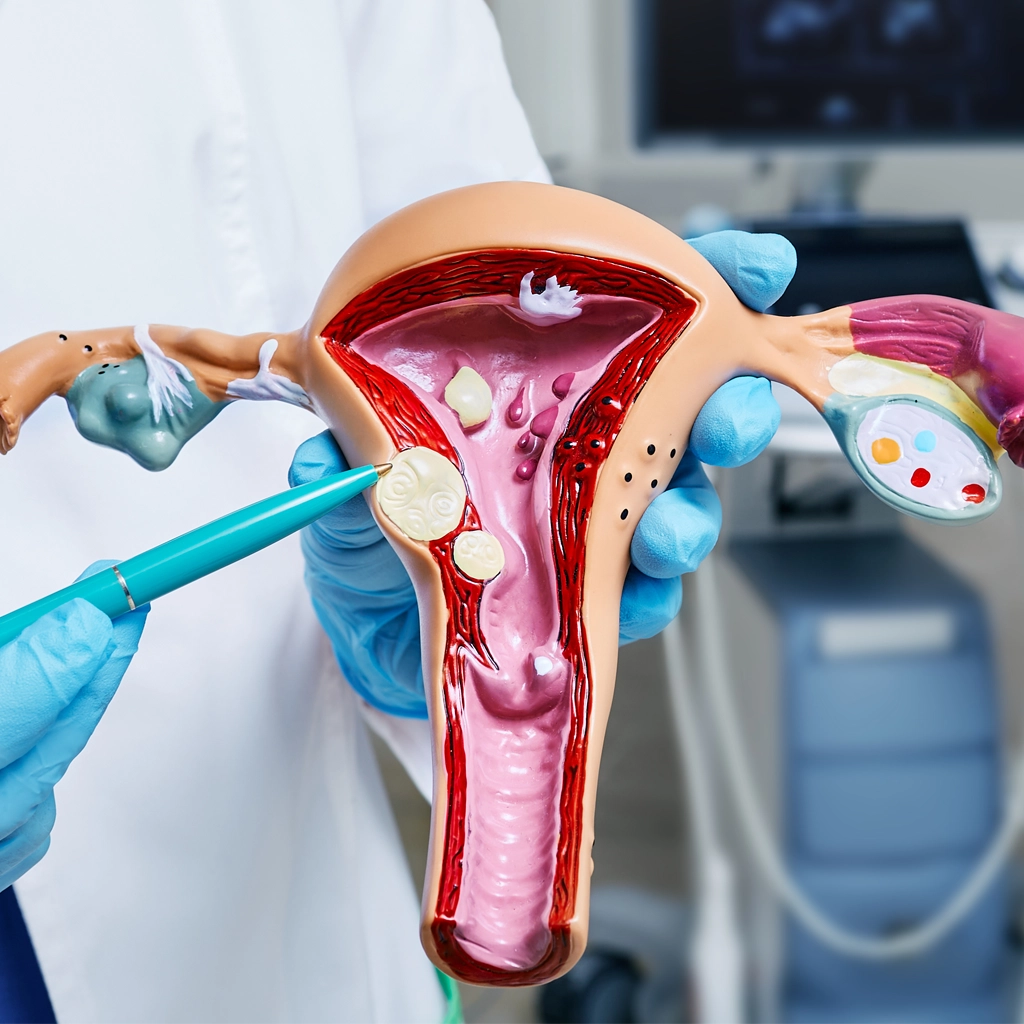
Uterine fibroids (leiomyomas) are fibrous growths (non-cancerous tumors) that grow in or around the uterus. They are most commonly diagnosed in women in their 30s and 40s but can also occur later in life. Women of African descent are up to three times more likely to develop them than women of other races.

What causes uterine fibroids?

It is not fully understood what causes fibroids to grow. However, female hormones (estrogen and progesterone) and genetics are believed to play an important role. Being overweight, stress, certain medications and vitamin D deficiency are also thought to be risk factors for developing fibroids.
Common uterine fibroid symptoms

Most women with fibroids do not experience symptoms and may not know they even have them. But for some women, the symptoms are severe enough to seek treatment. These women may experience heavy menstrual bleeding, prolonged periods, pelvic pain, pain during intercourse and other issues.

There are other conditions with symptoms similar to uterine fibroids. Common examples include adenomyosis (when the uterine lining grows into the muscle), endometriosis (tissue grows outside the uterus), ovarian cysts, pelvic inflammatory disease, and in rare cases, uterine or ovarian cancers. Because of this, it is important to have a physician’s exam or imaging test to achieve the correct diagnosis.

What are my treatment options for uterine fibroids?

When a patient is diagnosed with symptomatic fibroids, many attempt conservative therapies. These can include medications (such as pain relievers), hormonal therapies (such as gonadotropin-releasing hormone or GnRH) and monitoring the fibroids.

Some doctors recommend surgical approaches. Myomectomy is the surgical removal of fibroids from the uterus. Hysterectomy is the removal of the entire uterus. However, surgery carries a number of risks, and thanks to advances in medicine, may no longer be required to treat most cases of fibroids.

Other less invasive procedures may only be partially effective at relieving fibroid symptoms. They require general anesthesia and are not able to treat all fibroids, which means there is a good chance they can return.

A new and minimally invasive procedure called uterine fibroid embolization (also called uterine artery embolization) has emerged as a viable option for most women with fibroids. It is an outpatient procedure, effectively treats fibroids with a very low chance of their return. It is recommended by the American College of Obstetricians and Gynecologists.

Take a quiz to see if you qualify for UFE »

Uterine fibroids: Frequently Asked Questions

Yes, up to 70-80% of women will develop fibroids at some point. However, not all experience the symptoms of fibroids, such as heavy menstrual periods and pelvic cramping.

Uterine fibroids may be diagnosed with a pelvic examination by a doctor, or with imaging tests, such as ultrasound or MRI.

While fibroids can cause painful and inconvenient symptoms, they are not life-threatening. Fibroids are benign (non-cancerous) growths. Besides pain, they can lead to other conditions, such as anemia or fertility issues.

It is extremely rare for a fibroid to “burst.” They can sometimes outgrow their blood supply and break down, which can cause sudden pain or discomfort, but this is not life-threatening.

Yes, fibroids can cause infertility, depending on their size and location. Fibroids can also distort or block the fallopian tubes, affecting a woman’s ability to conceive.

Fibroids will not disappear on their own. However, they can shrink over time (especially after menopause) or undergo degeneration, which may reduce symptoms to a degree.

An interventional radiologist treats uterine fibroids with a minimally invasive procedure called uterine fibroid embolization (UFE). The procedure involves inserting a small catheter into the blood vessel supplying the fibroid. This blood vessel is then blocked or “embolized” causing the fibroid to shrink and symptoms to improve over time.

For more information about uterine fibroids and other treatment options offered by VISA, please visit our treatments page or contact us today to schedule a consultation.