
Prostate Artery Embolization (PAE)

About the Procedure | FAQs | Candidate Quiz | Schedule Online

For men with benign prostatic hyperplasia (enlarged prostate), a non-surgical treatment option is available at VISA. It is safe, effective and FDA-approved.

PAE is performed at our center by an interventional radiologist–a specially trained doctor who uses imaging to guide treatment. During the procedure, the doctor inserts a tiny catheter into the wrist or thigh, and then advances it through the bloodstream to the prostate arteries found on both sides of the gland. Once there, the doctor injects tiny beads or microparticles into the artery. These become lodged in the smaller blood vessels, slowing the flow of blood to the prostate gland. As a result, the gland shrinks and the symptoms disappear over time.
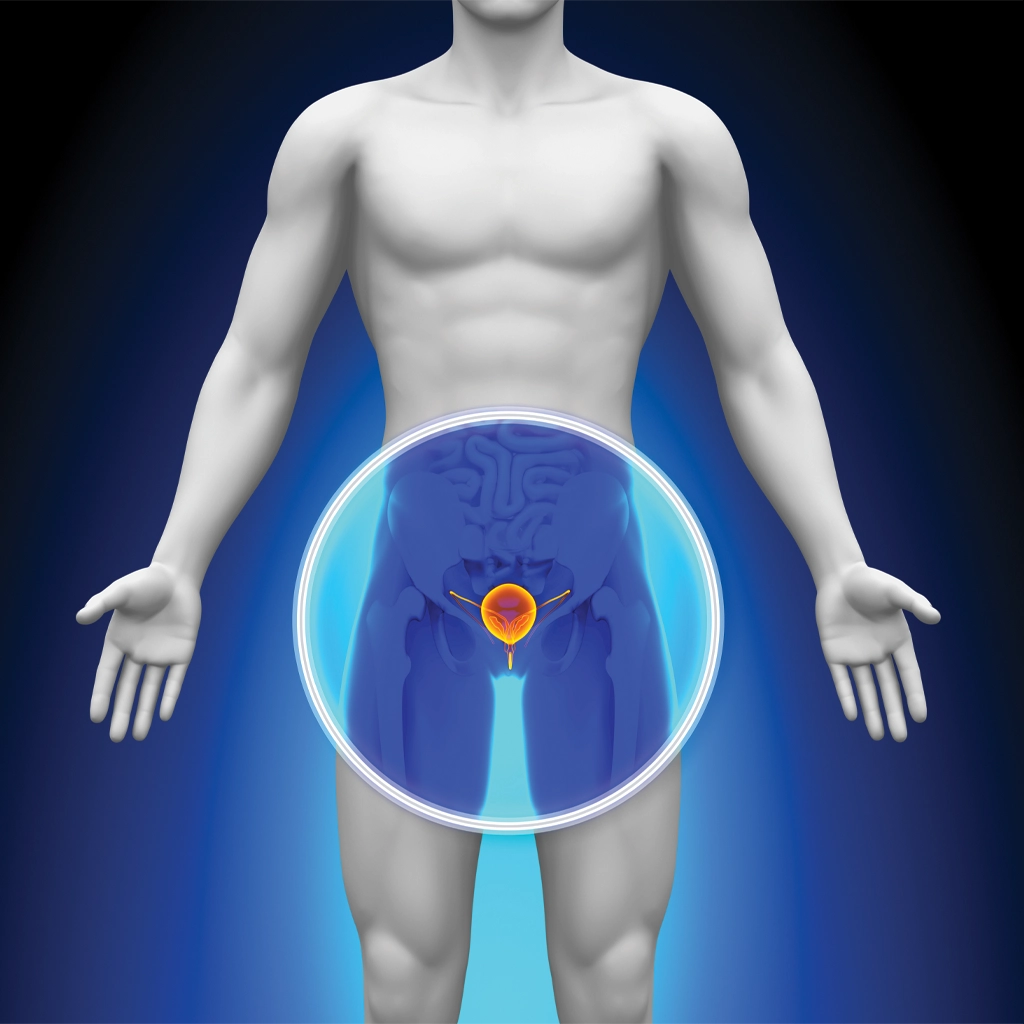
PAE has many benefits to patients over surgery or other procedures. It has a high success rate (up to 95%). No anesthesia or hospitalization is required; the procedure is performed in an outpatient setting. There are fewer reported side effects, virtually no pain, and you can resume normal activities shortly after the procedure. Furthermore, when compared with other non-surgical procedures, PAE is the only one clinically shown to improve sexual function in addition to reducing urinary symptoms.

Take our quiz to see if you qualify for PAE »

Please download the BPH treatment comparison guide. Feel free to share this with your doctor so that you have all the information needed to make an informed decision about your care.

The PAE Procedure

  1. After numbing the skin, the interventional radiologist inserts a tiny catheter through the skin in the wrist or thigh.
  2. Using imaging to guide the procedure, the doctor advances the catheter to the prostate arteries on each side of the gland.
  3. Tiny microparticles are injected into the prostate arteries, reducing the flow of blood to the gland. This causes it to shrink and symptoms are relieved.

For more information, or to schedule a consultation with one of our doctors, please call 205-905-8411.

Take our quiz to see if you qualify for PAE »

Frequently Asked Questions

Most patients experience meaningful symptom relief, however results can vary. The overall clinical success rate for this procedure is 75-85%.

Yes, by reducing the flow of blood to the prostate, the gland begins to shrink and symptoms improve gradually.

PAE is appropriate for men who have bothersome urinary symptoms and who wish to avoid surgery or permanent implants. It is also ideal for men who have medical conditions that increase the risks of surgery.

Men who have urinary symptoms that are caused by bladder dysfunction, narrowing of the urethra or a neurologic condition will not benefit from PAE. Also, men with an active urinary tract infection, significant kidney impairment and prostate or blood vessel abnormalities may not be able to have PAE.

The effects of PAE are not immediate. It can take several weeks for symptoms to reduce significantly, and the full benefits may take up to several months for some patients.

Yes, PAE is considered a safe treatment when performed by an experienced interventional radiologist. LIke any medical procedure, there are risks that include:

  • Bleeding and infection
  • Acute urinary retention
  • Contrast-related allergic reactions
  • Damage to nearby tissues

The procedure can take between 1-2 hours, and you will be monitored for a period of time after the procedure.

PAE requires only moderate “twilight” sedation. Unlike general anesthesia, you will be awake and relaxed during the procedure.

Recovery is quick compared with surgery. Many patients can resume most normal activities within a couple of days after their procedure.

Do you qualify for PAE? Take our quiz below to find out!

This field is for validation purposes and should be left unchanged.
Name(Required)
How soon would you like to schedule a consultation?(Required)