
Varicose Vein Treatment in Birmingham, AL

What Causes Varicose Veins | RFA Procedure | FAQ

VISA doctors offer a non-surgical treatment for varicose veins. If you are experiencing painful varicose veins or simply wish to get rid of them for aesthetic reasons, our doctors are happy to consult with you to discuss your options.

Our minimally invasive varicose vein treatment is called radiofrequency ablation, or RFA for short. During an RFA procedure, the doctor uses radiofrequency energy (heat) to seal the diseased vein. This causes the vein to shrink and is eventually absorbed by the body. Blood is automatically re-routed through other healthy veins.
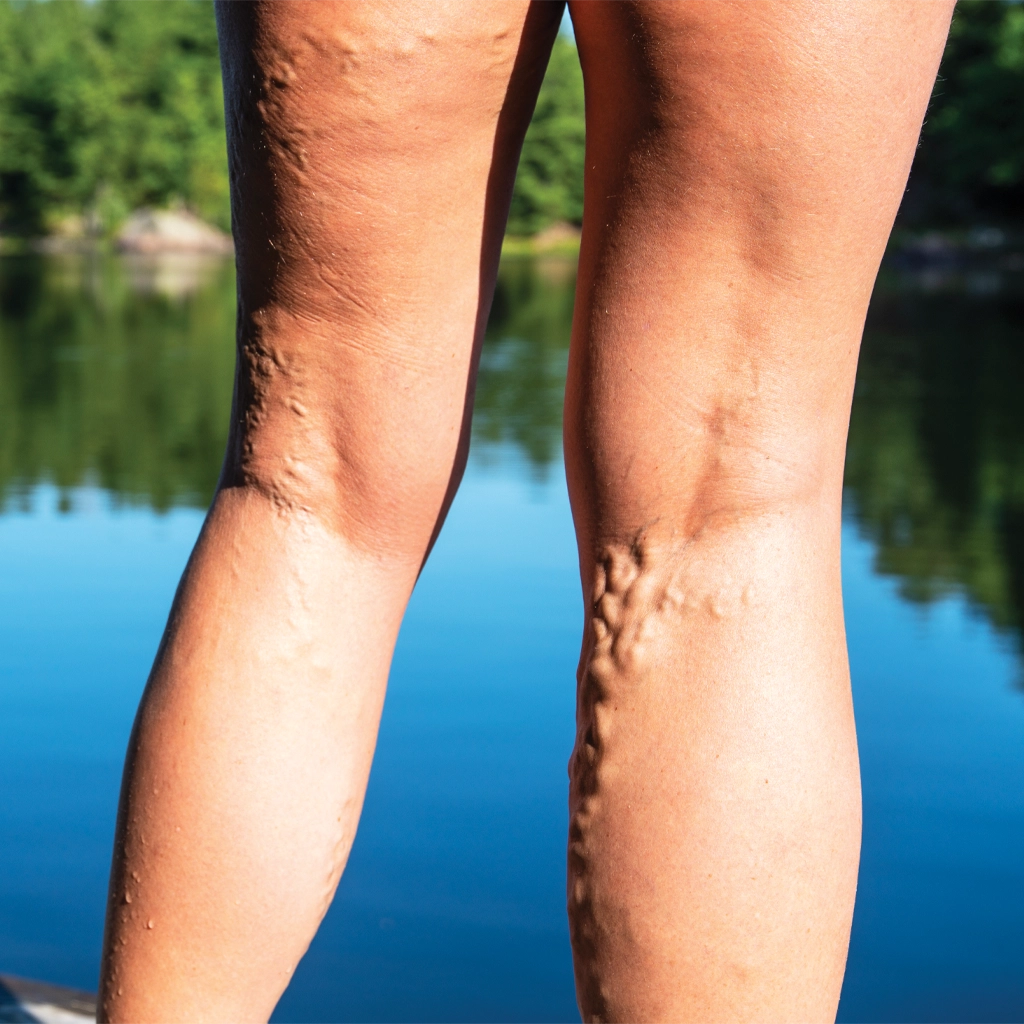
varicose vein treatment

What causes varicose veins?

The direct cause of varicose veins is a condition called venous insufficiency. Over time, veins can become weakened, and the valves that prevent blood from flowing backwards fail to work. This causes blood to pool in the vein, enlarging it and causing it to bulge above the skin.

Several factors can contribute to this condition, including aging, genetics (a family history of vein problems), prolonged standing or sitting, obesity, and hormonal changes such as those during pregnancy.

The RFA Procedure

  1. After numbing the skin, the interventional radiologist inserts a tiny catheter through the skin and into the varicose vein using ultrasound guidance.
  2. Radiofrequency energy is released which heats and closes the wall of the faulty vein.
  3. After the procedure, you’ll wear compression stockings and walk for 30 minutes to promote circulation and healing.
  4. You are then able to return home.
  5. Over time, the treated vein will disappear while blood is rerouted through healthy veins.

For more information or to schedule your vein consultation, please call 205-905-8411.

Frequently Asked Questions

Varicose vein treatments are available to individuals diagnosed with varicose veins who experience symptoms such as pain, swelling, heaviness, or skin changes in the affected area. Eligibility often includes adults whose condition does not improve with conservative measures like compression stockings or lifestyle changes. In some cases, people may also seek treatment for cosmetic reasons, though medical necessity is typically required for insurance coverage.

The treated vein itself will remain permanently closed. However, other varicose veins can form if they become weakened over time or if underlying issues like chronic venous insufficiency persist. Factors such as genetics, lifestyle, and prolonged standing or sitting may also contribute to new varicose veins forming.

The radiofrequency ablation procedure for treating varicose veins typically takes about 30 to 60 minutes per treated vein. It is performed on an outpatient basis under local anesthesia, meaning you can go home the same day. The exact duration may vary depending on the number of veins being treated and the complexity of the case.

RFA for varicose veins is generally not painful. The procedure is performed under local anesthesia, so you may feel a small pinch or slight pressure when the anesthetic is applied, but most people feel little to no pain during the treatment itself. Afterward, it’s common to experience mild soreness, tightness, or bruising in the treated area for a few days, but this is manageable with over-the-counter pain medication.

Most insurance plans (including Medicare) will cover the procedure if it is considered medically necessary, not cosmetic. To find out if your varicose vein treatments are covered by insurance, please call our center at 205-905-8411 and ask for an insurance specialist.

Studies show the long-term success rates for RFA are high, with approximately 93-95% of veins remaining closed after 3-5 years. Another study showed a success rate of 88.1% at 15 years.1


  1. M.S. Whiteley et al. Fifteen Year Results of Radiofrequency Ablation, Using VNUS Closure, for the Abolition of Truncal Venous Reflux in Patients with Varicose Veins. European Journal of Vascular and Endovascular Surgery. Volume 54, Issue 3, September 2017, Pages 357-362