
Primary or Metastatic Liver Cancer

Liver cancer is one of the most difficult types of cancer to treat. This includes both primary (the tumor originates within the liver) or metastatic (cancer from elsewhere in the body has spread to the liver) tumors.

Surgery to remove the tumor(s) offers the best chance for a cure. However, many tumors are so large that they have grown into major blood vessels or other vital structures in the liver making surgery too risky. As a result, surgery is not possible for more than two-thirds of those with primary liver cancer1 and more than 75% of those with metastasized cancer.2 Fortunately for these patients, minimally invasive non-surgical treatments are available.
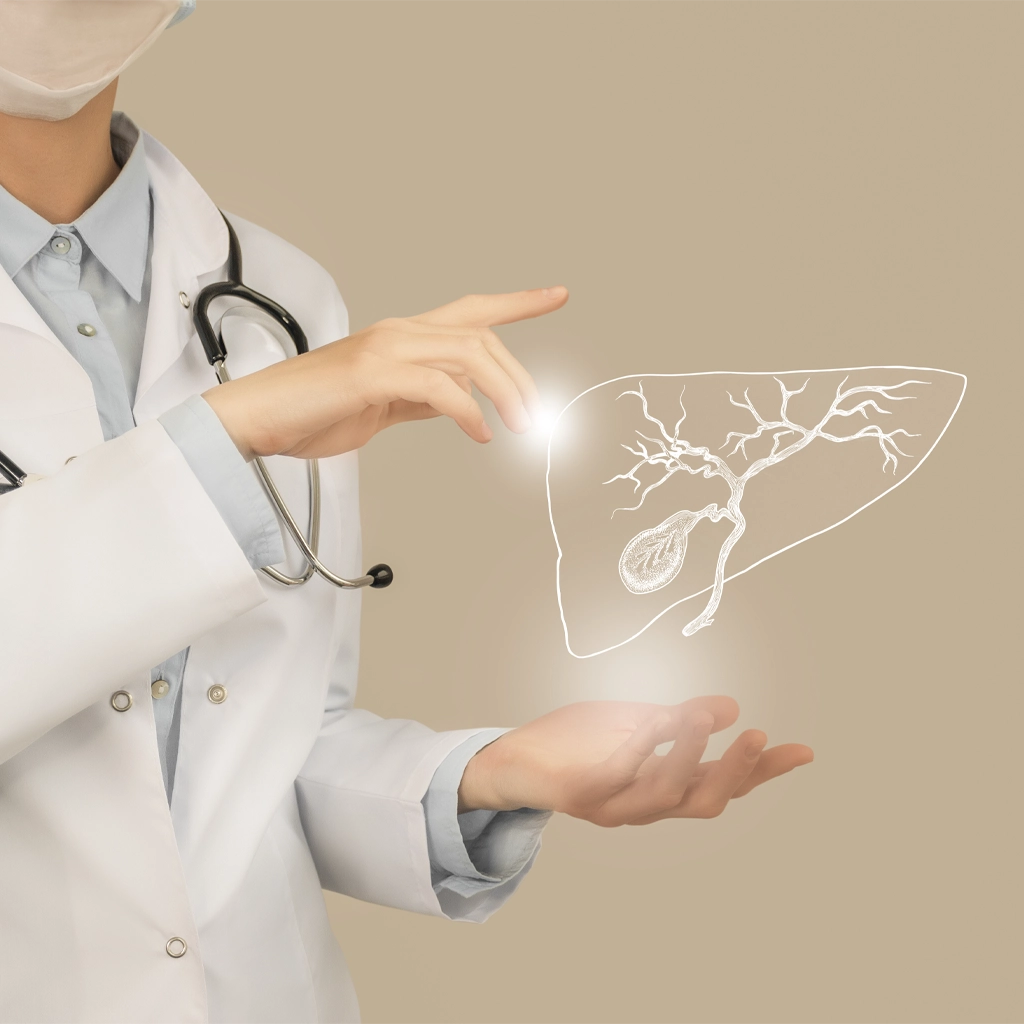
liver cancer treatment

What causes liver cancer?

Chronic liver infections, such as Hepatitis B and C, can lead to liver cancer. Excessive alcohol consumption can lead to cirrhosis, a condition that increases the risk of liver cancer. Fatty liver disease, certain types of molds, smoking and hemochromatosis (a genetic disorder) can also lead to liver cancer.

However, more than 50% of liver cancers are caused by metastatic disease. This means that the cancer originated somewhere else within the body and spread to the liver.

What are my treatment options for liver cancer?

If surgery is not possible or practical, radiation is often used to treat liver tumors. However, the high doses of radiation required for treatment also damage healthy tissue, resulting in poor quality of life and low survival rates. Traditional chemotherapy is not often used to treat liver cancer because the higher doses required to destroy the cancerous cells can impact liver function and/or result in unacceptable side effects.

A minimally invasive approach called transarterial chemoembolization (TACE) is an treatment used by the doctors at VISA for patients with good liver function. It is effective at treating liver cancer, especially when surgery is not an option. By trapping the high dose of chemotherapy within the tumor, it exposes the cancer to higher drug concentrations than are possible with systemic chemotherapy. As a result, itiIt can slow tumor growth, and may be a viable “bridge” therapy for a liver transplant patient.

Frequently Asked Questions About Liver Cancer

Primary liver cancer is cancer that starts in the liver. It develops when liver cells begin to grow uncontrollably and form a tumor. The most common type of primary liver cancer is hepatocellular carcinoma (HCC), which begins in the main liver cells called hepatocytes. Less common types include intrahepatic cholangiocarcinoma (bile duct cancer) and angiosarcoma, a rare cancer that starts in the blood vessels of the liver.

Metastatic liver cancer, also called secondary liver cancer, occurs when cancer spreads to the liver from another part of the body. It is more common than primary liver cancer.

Cancers that commonly spread to the liver include:

  • Colorectal cancer
  • Breast cancer
  • Lung cancer
  • Pancreatic cancer
  • Stomach cancer
  • Melanoma

Even though the cancer is found in the liver, it is named after the organ where it first developed. For example, colorectal cancer that spreads to the liver is still considered colorectal cancer and is treated based on that diagnosis.

Liver cancer often causes few or no symptoms in its early stages. As the disease progresses, symptoms may include:

  • Unexplained weight loss
  • Loss of appetite
  • Feeling full after eating a small meal
  • Pain or discomfort in the upper right side of the abdomen
  • Swelling or bloating in the abdomen
  • A lump or feeling of fullness under the ribs on the right side
  • Fatigue or weakness
  • Nausea or vomiting
  • Yellowing of the skin and eyes (jaundice)
  • Dark urine and pale-colored stools
  • Itchy skin
  • Fever without a clear cause

These symptoms can also be caused by many non-cancerous liver conditions. Anyone experiencing persistent or worsening symptoms should see a healthcare provider for evaluation.

Diagnosing liver cancer typically involves a combination of medical history, physical examination, imaging tests, blood tests, and sometimes a biopsy.

Common diagnostic tests include:

  • Blood tests: Liver function tests and tumor markers such as alpha-fetoprotein (AFP).
  • Ultrasound: Often the first imaging test used to detect abnormalities in the liver.
  • CT scan: Provides detailed cross-sectional images to identify tumors and determine their size and location.
  • MRI: Offers highly detailed images that help characterize liver tumors.
  • Biopsy: A small tissue sample may be taken if imaging results are inconclusive. In many cases, liver cancer can be diagnosed based on imaging alone, especially in people with cirrhosis.
  • Additional testing: If cancer is confirmed, further imaging may be used to determine whether it has spread to nearby lymph nodes or other organs.

Early diagnosis can improve treatment options and outcomes, particularly for people at high risk who undergo regular liver cancer screening.

  • Stage I:
    A single tumor is present and has not spread to blood vessels, lymph nodes or other organs.
  • Stage II:
    There may be one tumor that has grown into nearby blood vessels, or multiple small tumors confined to the liver.
  • Stage III:
    The cancer has grown larger, involves multiple tumors, or has spread into major blood vessels or nearby organs, but not to distant sites.
  • Stage IV:
    The cancer has spread to nearby lymph nodes and/or distant organs such as the lungs or bones.

For more information about liver cancer and other treatment options offered by VISA, please visit our treatments page or contact us today to schedule a consultation.