
Chronic Hemorrhoids

Types of Hemorrhoids | Diagnosis | Treatment Options | FAQ

Approximately half of all Americans will experience hemorrhoids at some point. Also referred to as “piles” this condition causes veins around the anus and lower rectum to swell and become inflamed. They can be uncomfortable and itchy, and they cause bleeding during bowel movements. Most hemorrhoids will go away on their own, or with over-the-counter treatments at home. However, iIf hemorrhoids last longer than three months they are considered “chronic” hemorrhoids and may require treatment.

What causes chronic hemorrhoids?

Hemorrhoids can form for a number of reasons including straining during bowel movements, chronic constipation or diarrhea, lifting heavy objects, pregnancy, a low fiber diet, genetics, prolonged sitting, being overweight, anal fissures (small tears in the anus) and other factors. They are similar in nature to varicose veins.
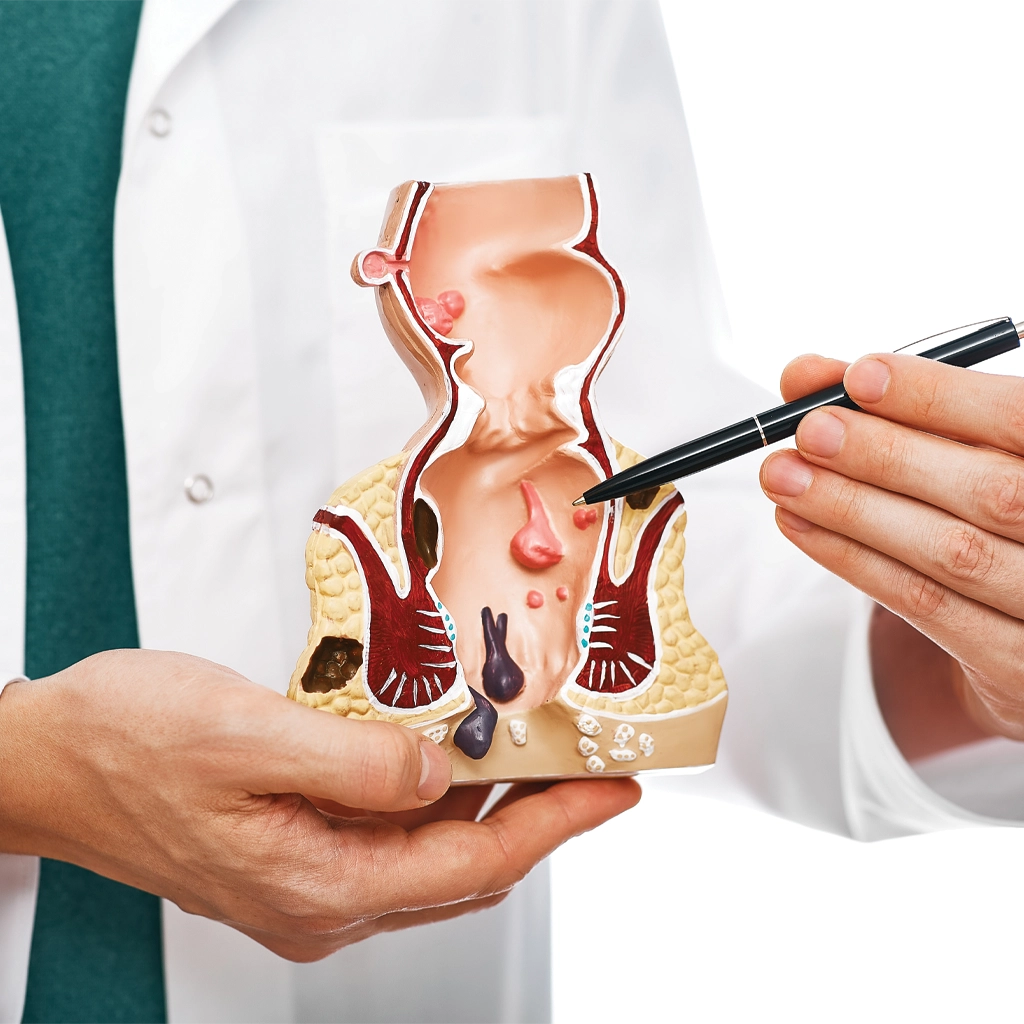
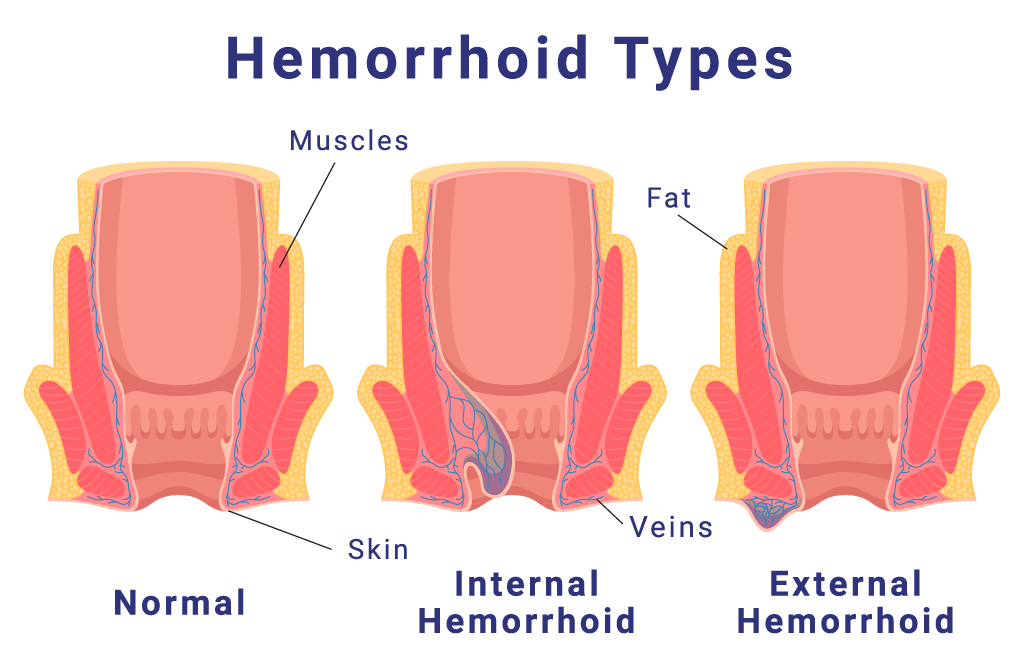
types of hemorrhoids

Types of Hemorrhoids

There are two main types of hemorrhoids: internal and external. Internal hemorrhoids develop inside the rectum and are not visible. They can bleed during bowel movements. In rare cases, internal hemorrhoids may “prolapse” or protrude outside the anus. External hemorrhoids form around the anus, and can be painful, itchy and prone to swelling or irritation. In rare cases, a condition called “thrombosed hemorrhoid” can occur as a result of a blood clot forming in an external hemorrhoid. This can lead to significant pain and swelling, as well as a firm lump near the anus.

How Chronic Hemorrhoids are Diagnosed

Chronic hemorrhoids are usually diagnosed after a clinical evaluation by your healthcare provider, where symptoms are discussed followed by a physical examination. Internal hemorrhoids require a digital rectal exam or visual inspection using an anoscope–a small lighted tube. In some cases, your healthcare provider may recommend a colonoscopy or sigmoidoscopy to rule out other conditions, such as colorectal cancer or inflamed bowel disease.

What are my treatment options for chronic hemorrhoids?

At first, physicians recommend treating hemorrhoids with conservative methods, such as diet changes, topical creams, sitz baths and pain relievers. If the symptoms persist and do not respond to conservative treatment, there are several approaches to treat them.

Hemorrhoidectomy is a surgery to remove chronic hemorrhoids. Unfortunately, surgery carries risks and potential complications that can include infection, bleeding, rectal prolapse and more. Recovery can be more difficult than other types of surgery because regular bowel movements can put pressure on the surgical site, causing pain. Although it is effective, this surgery is associated with intense postoperative pain and a prolonged time to return to normal activities.1,2

A less invasive treatment called Rubber Band Ligation is sometimes recommended to treat hemorrhoids. This involves wrapping a small rubber band around the base of a hemorrhoid, which cuts off blood, causing it to shrink and fall off within a few days. However, this approach is also associated with pain and complications, especially for those taking antiplatelet or anticoagulant medication, who have a higher risk of hemorrhage and infectious complications.3

A new and minimally invasive option offered by the doctors at VISA is called Hemorrhoidal Artery Embolization or HAE. It is safe and effective4, and achieves similar outcomes to surgery but with far less pain5 and a much shorter recovery.

For more information about chronic hemorrhoids and other treatment options offered by VISA, please visit our treatments page or contact us today to schedule a consultation.

Frequently Asked Questions

Internal hemorrhoids develop inside the rectum, so you usually can’t see or feel them. They tend to cause painless bleeding during bowel movements and may occasionally prolapse (bulge out of the anus), which can create discomfort but often not sharp pain.

External hemorrhoids, on the other hand, form under the skin around the anus. Because this area has more sensitive nerve endings, they’re more likely to cause noticeable pain, itching, swelling, and irritation—especially when sitting or during bowel movements.

Other possibilities range from minor irritation to more serious conditions:

  • Anal fissures: small tears in the lining of the anus, often from passing hard stools. These typically cause sharp pain during bowel movements along with bright red blood.
  • Inflammatory bowel diseases like Crohn’s disease or ulcerative colitis can lead to bleeding, diarrhea, and abdominal pain.
  • Infections (bacterial or sexually transmitted) may irritate the rectal lining and cause bleeding, sometimes with discharge or discomfort.
  • Colon polyps: growths in the colon or rectum that can bleed; some may develop into cancer over time.
  • Colorectal cancer: bleeding can be an early or later sign, often accompanied by changes in bowel habits, weight loss, or fatigue.
  • Diverticulitis: small pouches in the colon wall can bleed, sometimes heavily.
  • Rectal ulcers or trauma: from injury, straining, or medical conditions.

If hemorrhoids persist more than a week after conservative treatment, and if they cause symptoms such as rectal bleeding, pain, dark or tarry stools and weakness, you should seek medical care.

Changes in bowel habits, unexplained weight loss, or persistent discomfort are also reasons to get evaluated. In general, if symptoms are recurring, worsening, or unclear, it’s worth having a healthcare provider confirm the diagnosis and rule out other causes.

Hemorrhoids are diagnosed first by symptoms and a physical exam, then “staged” (graded) based on how much internal hemorrhoids protrude. The diagnosis stage may include a digital rectal exam or the use of an anoscope.

Staging mainly applies to internal hemorrhoids and is based on prolapse:

  • Grade I: No prolapse; hemorrhoids remain inside the rectum but may bleed.
  • Grade II: Prolapse during straining but go back in on their own.
  • Grade III: Prolapse and require manual pushing to return inside.
  • Grade IV: Permanently prolapsed and cannot be pushed back in; may be painful or at risk for complications.

External hemorrhoids aren’t graded the same way but are described based on symptoms (e.g., painful, thrombosed). This grading system helps guide treatment, from conservative measures to office procedures or surgery.

Hemorrhoids themselves are not usually dangerous. They are a very common condition and usually more uncomfortable than harmful. Most cases cause symptoms like itching, mild pain, or small amounts of bright red bleeding and can be managed with diet changes, hydration, and over-the-counter treatments.

However, hemorrhoids can become chronic and occasionally lead to complications. A thrombosed hemorrhoid (a clot in an external hemorrhoid) can be quite painful, and chronic bleeding over time could contribute to anemia in rare cases. Large or prolapsed internal hemorrhoids may also cause ongoing discomfort or hygiene issues.

Hemorrhoids can be prevented by reducing pressure and strain on the veins in the rectal area. The biggest factor is keeping bowel movements soft and regular so you’re not straining. A high-fiber diet can help—foods like fruits, vegetables, whole grains, and legumes help bulk up and soften stools. Staying well hydrated works alongside fiber to keep things moving smoothly. Regular physical activity also supports healthy digestion and reduces constipation risk.

Most mild hemorrhoids can be managed at home with a mix of symptom relief and habits that reduce strain:

  • Take warm sitz baths (soak the anal area in warm water) for 10–15 minutes a few times a day, especially after bowel movements.
  • Use over-the-counter creams or suppositories containing hydrocortisone or soothing agents like witch hazel to reduce itching and inflammation.
  • Apply a cold pack for short periods to help with swelling.
  • Increase fiber intake (fruits, vegetables, whole grains) or consider a supplement like psyllium.
  • Drink plenty of water throughout the day.
  • Don’t strain or sit on the toilet for long periods.
  • Go as soon as you feel the urge rather than delaying.
  • Over-the-counter options like ibuprofen or acetaminophen can help if needed.

These steps often improve symptoms within a few days. If pain is severe, a lump becomes very tender (possible clot), or symptoms last longer than a week, it’s worth getting checked to confirm it’s hemorrhoids and not another condition.

If it’s soft, not very painful, and comes out during a bowel movement, you can gently try to push it back in using clean hands (a little lubricant like petroleum jelly can help). This may reduce discomfort and swelling. However, if it’s very painful, firm, or swollen, don’t force it back in—this could be a thrombosed hemorrhoid or a more irritated prolapse, and pushing may make it worse. If this happens, seek medical care right away.

Yes, with a procedure called hemorrhoidal artery embolization (HAE).

Yes, especially if there is continued pressure in the rectal area. Hemorrhoids can develop again, even after treatment, either in the same area or nearby. To help avoid a recurrence, make every attempt to prevent the “triggers” that cause them, such as chronic constipation or frequent straining during bowel movements, prolonged sitting on the toilet, etc.

No, hemorrhoids will not cause colorectal cancer. However, their symptoms can be similar to those of cancer, so people with chronic hemorrhoid symptoms may sometimes be further evaluated to rule out conditions like colorectal cancer or inflammatory bowel disease.