
Tennis Elbow

Causes | Treatment Options | Treatment at VISA | FAQ

Officially known as lateral epicondylitis, tennis elbow is a common condition that results in pain and inflammation within the tendons of the elbow. The symptoms include pain when bending or lifting the arm, difficulty straightening the arm, pain that radiates between the arm and the wrist, or a loss of arm strength or grip.

Individuals between the ages of 30-60, especially those with jobs, hobbies or who play sports that involve repetitive wrist motions, gripping or arm strain. Despite the name, only a small number of people get tennis elbow from playing tennis.
What causes tennis elbow?

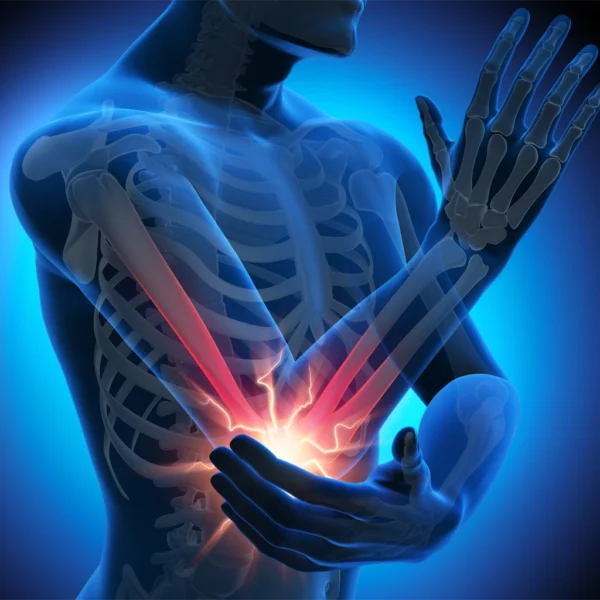
Tennis elbow is caused by an overload injury of a tendon on the outside of the elbow… it is not an injury to the joint itself. The tendon, attached to the outer part of the elbow, helps to stabilize the wrist when using your hand or gripping something. When the load on the tendon exceeds what it can recover from, the tendon experiences microscopic damage. Over time, this damage degenerates the tendon and results in pain around the outside of the elbow.

What are my treatment options for tennis elbow?

The most common conservative treatment for tennis elbow is to discontinue the activity causing the pain. In addition, pain medications, resting or icing the elbow, exercises or physical therapy to strengthen the elbow and corticosteroid injections are other options.

In some cases, surgery is recommended, depending on the condition of the elbow. Open tendon repair, tendon reconstruction and arthroscopic tendon repair are surgical options used to treat this condition.

Tennis Elbow Treatments at VISA Vascular

At VISA, we offer a non-surgical option to treat tennis elbow called transcatheter arterial embolization (TAE). Instead of surgery to repair the tendon, our interventional radiologists perform TAE to reduce abnormal blood flow to the tendon, reducing pain and inflammation.

Tennis Elbow Frequently Asked Questions

During the procedure, the interventional radiologist guides a small catheter through the bloodstream to the abnormal blood vessels within the elbow. Tiny particles are injected to embolize or block blood flow through the vessels, which are associated with chronic inflammation.

This procedure is not appropriate for every patient. It is recommended for those who:

  • Have persistent symptoms despite conservative treatment
  • Have symptoms that interfere with work, sports or daily activities
  • Have been diagnosed with chronic lateral epicondylitis
  • Have been evaluated to rule out other causes of elbow pain

The procedure is not specifically FDA-approved to treat tennis elbow, however the embolic agents used in the treatment are FDA-approved for other conditions. This procedure is considered “off-label,” but it is currently being studied in clinical trials and performed by many interventional radiologists throughout the United States.

Yes. A local anesthetic is used at the catheter entry site, and some patients may elect to have a special “twilight” sedation that relaxes them during the procedure.

The procedure itself is performed in about an hour, but you will remain at our center for a brief observational period afterward.

Patients return home the same day as their procedure. There will be some restrictions on lifting, strenuous activity or sports for a period of time. Please follow your doctor’s instructions regarding return to exercise. Returning to a sport with repetitive gripping (such as tennis) too soon can interfere with recovery.

Improvement times vary, but for most, symptoms improve gradually over several weeks. Your response to the treatment can depend on the severity and duration of your condition.

In many cases, yes, although for some an exercise program will suffice. Exercise is an important part of restoring tendon strength and function and your doctor will recommend the appropriate exercise or physical therapy program for you.

Potential complications include bleeding at the catheter entry site, infection, temporary pain or swelling, arterial injury and unintended embolization of nearby tissues. Significant complications are rare. Please inform us if you have a known allergic reaction to contrast material.

For more information about tennis elbow treatment and other treatment options offered by VISA, please visit our treatments page or contact us today to schedule a consultation.