5 Signs of an Enlarged Prostate You Shouldn’t Ignore
Most men with an enlarged prostate don’t notice the change until it becomes obvious. There’s no single moment where symptoms show up — just a slow accumulation of small changes: an extra trip to the bathroom at night, a stream that takes a second longer to start, the sense that you didn’t quite finish. Benign prostatic hyperplasia (BPH), the clinical term for prostate enlargement, is one of the most common conditions in aging men, and one of the most under-discussed.
Quick answer: The five signs of an enlarged prostate to watch for are frequent nighttime urination, a weak or interrupted stream, trouble starting urination, a bladder that never feels fully empty, and sudden, hard-to-control urges to go. Two or more of these, especially if they’re new in the last year, is reason enough to bring it up with a doctor. Below: what causes BPH, five signs of an enlarged prostate, when symptoms cross into urgent territory, and a non-surgical treatment option most men have never heard of.
What Causes BPH?
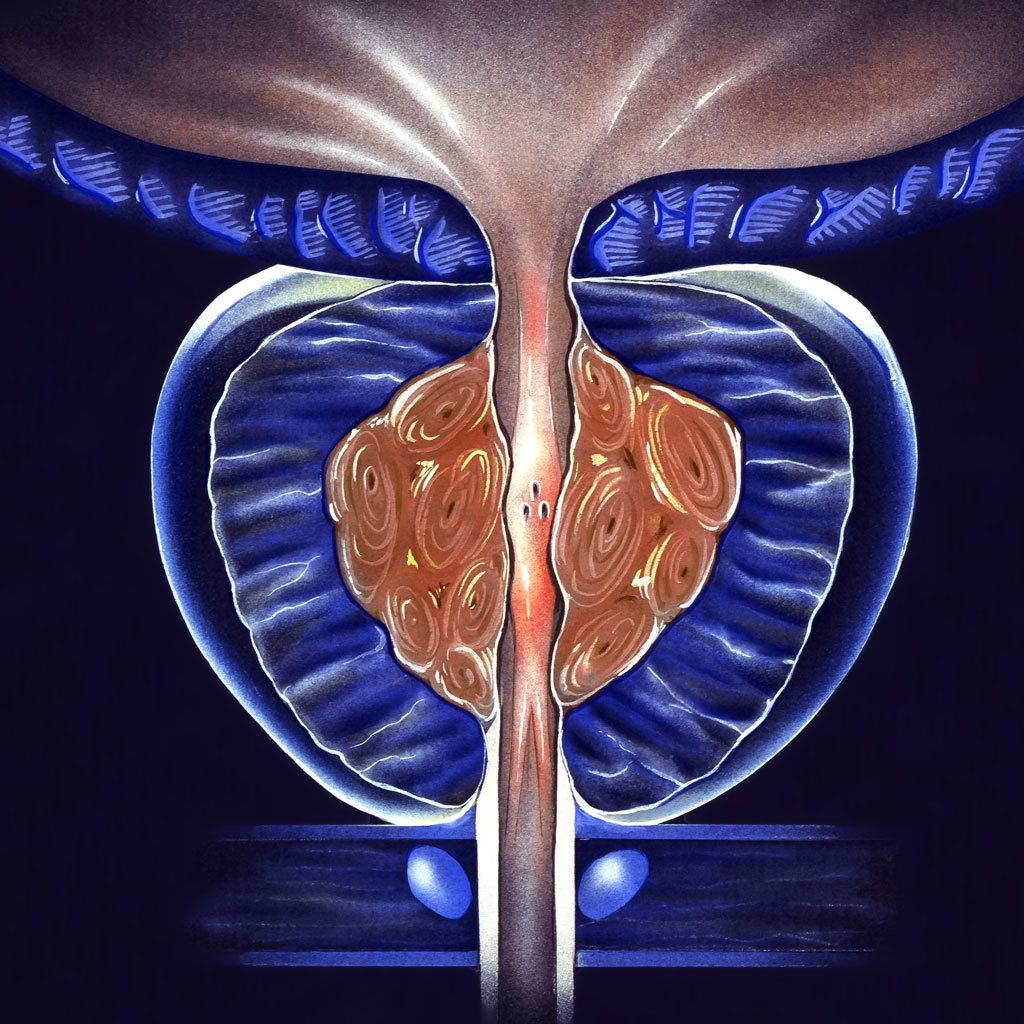
The prostate sits just below the bladder and wraps around the urethra. It grows in two phases over a man’s life, and the second phase — which starts around age 25 and rarely stops — is what eventually causes problems. Doctors don’t fully understand why some men’s prostates keep growing and others’ don’t, but age is by far the strongest predictor: roughly half of men in their 50s have some degree of BPH, and that climbs to around 90% by age 80.¹ Family history raises the odds too — a father or brother with BPH is a meaningful flag — and so do obesity, type 2 diabetes, and a sedentary lifestyle. Hormonal shifts that come with age are also thought to play a role, though the exact mechanism isn’t fully mapped.
BPH is not cancer and doesn’t raise your prostate cancer risk.² The two conditions can coexist, though, which is one reason doctors like to rule cancer out even when symptoms point clearly toward BPH.
5 Signs of an Enlarged Prostate You Shouldn’t Ignore
1. You’re up two or three times a night to urinate
Nocturia — waking up repeatedly to pee — is usually the symptom that actually gets men into a doctor’s office, because it wrecks sleep. It happens because the bladder can’t fully empty during the day, so there’s less capacity left by midnight. If you’ve quietly accepted broken sleep as part of getting older, it’s not.
2. Your stream is weaker, or it stops and starts
This one sneaks up on people. The change happens over months or years, slowly enough that you adjust without registering it — until a doctor asks and you realize the answer is yes.
3. You have to wait for the stream to start
Standing at the toilet for several seconds before anything happens is called hesitancy. It’s caused by the bladder needing extra pressure to push urine past a narrowed urethra.
4. You never quite feel done
A lingering sense of fullness after urinating means the bladder isn’t emptying completely. Left alone, that residual urine raises the odds of infections and bladder stones down the line.³
5. Urges hit suddenly and hard to ignore
This is one of the signs of an enlarged prostate men are least likely to mention out loud, because it’s the most disruptive — a sudden, urgent need to go with little warning. It happens because a bladder working overtime against a narrowed urethra becomes more reactive to even small volumes of urine.
When Symptoms are More Than BPH
Enlarged Prostate symptoms build gradually, over months or years. That’s the pattern to watch for. What doesn’t fit that pattern — a complete inability to urinate, blood in the urine or semen, fever or chills alongside pelvic or lower-back pain, or sudden and severe pain — is not something to sit on until a routine appointment opens up.⁴ Those point toward infection, acute urinary retention, or something else that needs same-day evaluation, not a wait-and-see approach.
Non-Surgical Enlarged Prostate Treatment
For a long time, the choices for BPH were limited: watch and wait, take a daily medication, or eventually have surgery — typically a TURP, which removes prostate tissue through the urethra. There’s a middle path that doesn’t get talked about enough.
Prostate artery embolization (PAE) is a minimally invasive procedure performed by an interventional radiologist, not a surgeon. Through a small puncture in the wrist or groin, a catheter delivers tiny particles into the arteries feeding the prostate. Blood flow to the gland drops, and the prostate shrinks over the following weeks — no incision, no general anesthesia, no hospital stay.
It tends to make the most sense for men who’ve tried medication without lasting relief, who want to avoid the incontinence and erectile dysfunction risks tied to traditional prostate surgery, or whose prostate has grown large enough that other minimally invasive options aren’t a good fit.
When to Schedule a BPH Consultation
A slower stream now and then isn’t an emergency. But if several of the signs of an enlarged prostate above sound familiar, and they’ve been building for months rather than days, that’s a conversation worth having — not a symptom list to keep managing quietly on your own.
VISA Vascular treats signs of an enlarged prostate and symptoms caused by BPH with non-surgical options like PAE. Call 205-905-8411 to find out if you’re a candidate and schedule a consultation with our interventional radiologists.
Frequently Asked Questions
What are the first signs of an enlarged prostate? Usually urinary changes like nighttime bathroom trips, a weaker stream, needing a moment to get started. They build slowly, so most men don’t observe the change until it’s more noticeable.
What causes BPH? Age, mainly. Family history, obesity, diabetes, and inactivity all push the risk higher, but the underlying biology of why the prostate keeps growing in some men and not others isn’t fully understood.
Is an enlarged prostate the same thing as prostate cancer? No — BPH is non-cancerous and doesn’t increase cancer risk. The two can occur in the same man at the same time, which is part of why a proper workup matters.
Is there a non-surgical treatment for an enlarged prostate? Yes. Prostate artery embolization (PAE) shrinks the prostate by reducing its blood supply, without the incision, anesthesia, or recovery time that comes with surgery.
When should I see a doctor? If two or more of the symptoms above have been going on for a while, make an appointment. If you can’t urinate at all, see blood, or have fever with pelvic pain, don’t wait — get seen the same day.
References
- National Institute of Diabetes and Digestive and Kidney Diseases (NIDDK), “Prostate Enlargement (Benign Prostatic Hyperplasia),” niddk.nih.gov.
- Urology Care Foundation (American Urological Association), “Benign Prostatic Hyperplasia (BPH),” urologyhealth.org.
- Cleveland Clinic, “Benign Prostatic Hyperplasia (BPH),” my.clevelandclinic.org.
- Johns Hopkins Medicine, “Prostatic Artery Embolization,” hopkinsmedicine.org.