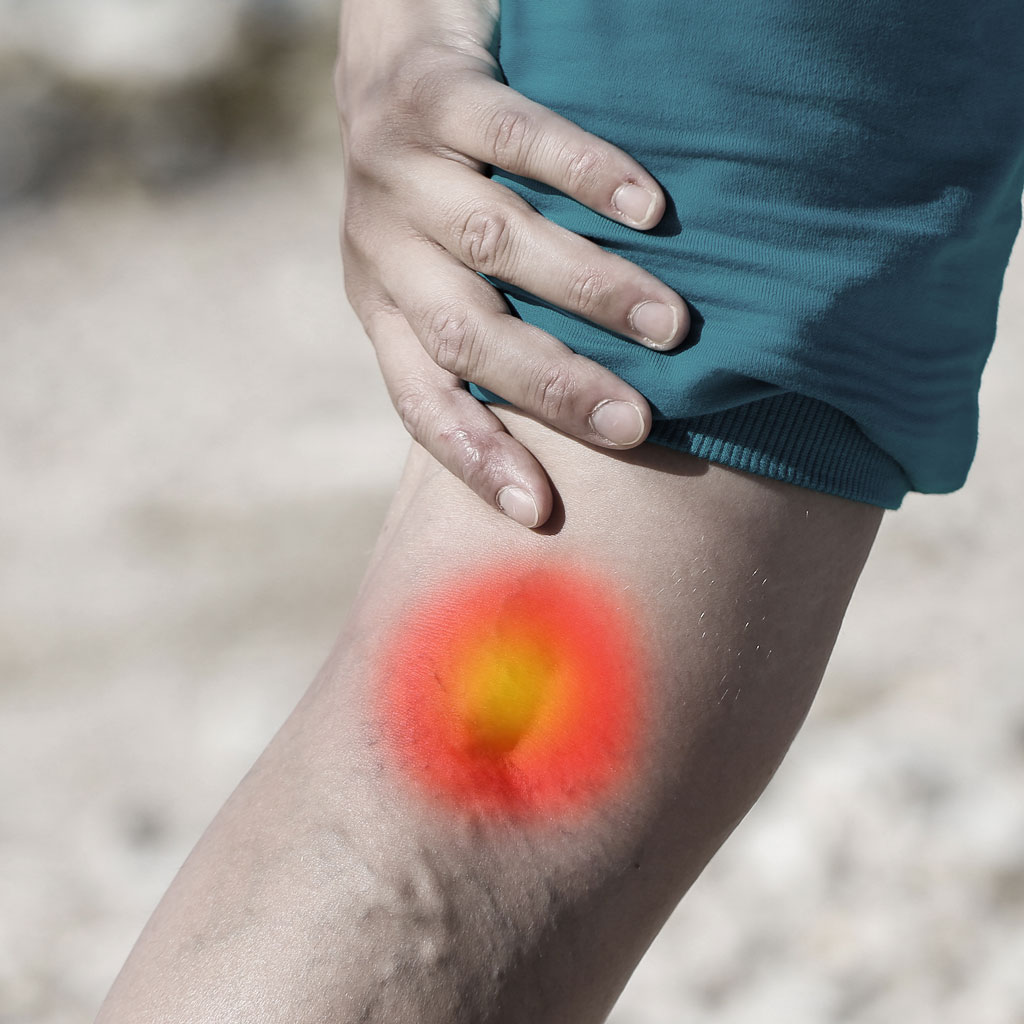
Peripheral Artery Disease (PAD) 101: Signs, Symptoms, and When to Seek Treatment
Peripheral Artery Disease (PAD) shows up more often than most people think, but it tends to fly under the radar until the symptoms get pretty intense. What’s really happening? Plaque builds up in the arteries, blocking blood flow to your legs and feet. This slow squeeze on circulation brings pain, makes it tough to move around, and in the worst cases, puts your limbs at real risk.
If your legs ache for reasons you can’t pin down, or you just want to spot Peripheral Artery Disease before it gets serious, this guide lays out the basics. Here’s what to watch for—and how to know when it’s time to get help.
What Is Peripheral Artery Disease?
Peripheral Artery Disease (PAD) is a circulatory condition caused by atherosclerosis—the clogging and stiffening of the arteries —which limits blood flow. Although it can affect any blood vessel, PAD primarily affects the arteries in the legs. When blood can’t flow as it should, the muscles can be starved of oxygen and nutrients. This is when most start feeling pain, weakness, and wounds that won’t heal.
PAD is a progressive disease, so early detection is key. Spotting the early signs will give patients a real shot at preventing more serious issues like amputation.
Early Signs of PAD
Not all PAD symptoms show up clearly, especially in the beginning. Many people dismiss early signs of PAD as “just aging” or muscle fatigue, but the body is often signaling that something more serious is happening.
Common early signs of PAD:
- Leg pain with activity (claudication)
Cramping, aching, or fatigue in the calves, thighs, or hips that appears during walking and improves with rest is one of the earliest indicators of reduced blood flow. - Numbness or weakness in the legs
Poor circulation can cause a heavy, fatigued feeling—even after minimal activity. - Coldness in one leg or foot
If one leg feels significantly colder than the other, it may indicate disrupted blood flow. - Slow-growing toenails or reduced leg hair
Decreased circulation affects how quickly hair and nails grow and may show up before pain does. - Shiny or pale skin on the legs
Changes in color or texture can indicate underlying circulation problems.
If PAD is not addressed early, symptoms can become more severe and more persistent.
Moderate to advanced PAD symptoms:
- Pain at rest
Discomfort that continues even while sitting or lying down suggests more advanced blockage. - Non-healing wounds, ulcers, or sores
Cuts, blisters, or injuries on the feet or legs that heal slowly—or not at all—are major red flags. - Dark or bluish skin tone
Poor oxygen delivery can cause discoloration, especially around the toes. - Severe cramping or burning sensations
These may indicate critical limb ischemia, an urgent stage of PAD.
Left untreated, advanced PAD significantly increases the risk of infection, tissue loss, and possible amputation.
Who Is at Risk for PAD?
PAD can affect anyone, but certain factors increase risk:
- Smoking (current or former)
- Diabetes
- High blood pressure
- High cholesterol
- Age 50+
- Family history of vascular disease
- Obesity
- Sedentary lifestyle
If you have one or more risk factors—especially smoking or diabetes—it’s important to monitor for early signs of PAD and talk to a healthcare provider about screening.
When to Seek Treatment
Catching circulatory problems early can make a significant difference. Leg aching during walking, along with numbness, heaviness, or unusual coldness, should not be overlooked.
Non-healing sores on the feet, changes in skin color or temperature, and pain that occurs even at rest are all meaningful indicators. A quick, painless test—the Ankle-Brachial Index (ABI)—can help determine whether PAD is contributing to these symptoms. In some cases, clinicians may also use ultrasound or other imaging studies to evaluate blood flow more closely.
PAD Treatment Options
The good news: PAD treatment has advanced significantly, and many patients improve without major surgery.
Common PAD treatments include:
- Lifestyle changes: Quitting smoking, improving diet, and increasing walking can dramatically improve symptoms.
- Medications: Medications may be prescribed to improve circulation, manage cholesterol, or control blood pressure.
- Exercise therapy programs: Structured walking programs are clinically proven to reduce pain and improve mobility.
- Minimally invasive procedures: For more advanced PAD, vascular specialists may recommend treatments such as angioplasty, stenting, or atherectomy to restore blood flow.
- Surgical bypass (for severe cases): A bypass may be considered when blockages are too extensive for minimally invasive techniques.
The right approach depends on your symptoms and overall health, but early treatment almost always leads to better outcomes.
The Bottom Line
Peripheral Artery Disease isn’t something to overlook. It’s a serious condition, but it’s also highly treatable when caught early. Recognizing symptoms such as leg pain, numbness, or wounds that don’t heal is essential.
Evaluation by a vascular specialist can identify the issue and outline appropriate treatment options. Early intervention can significantly improve long-term health and mobility.
Consult with the specialists at Vascular and Interventional Specialists of America. We can explain the risks, benefits, and expected outcomes of PAD treatment.