Plantar Fasciitis Treatments: What to Do When Heel Pain Won’t Go Away
If you’ve ever taken your first steps out of bed and felt a sharp, stabbing pain in your heel, you’re not alone. Plantar fasciitis is one of the most common causes of heel pain, affecting adults of all ages, including runners and those who stand for extended periods. While many cases improve with time and conservative care, some people continue to struggle with pain that interferes with work, exercise, and daily life.
Understanding Plantar fasciitis symptoms, available Plantar fasciitis treatments, and emerging options can help you make informed decisions—especially if your pain hasn’t responded to more conservative therapies.
What Is Plantar Fasciitis?
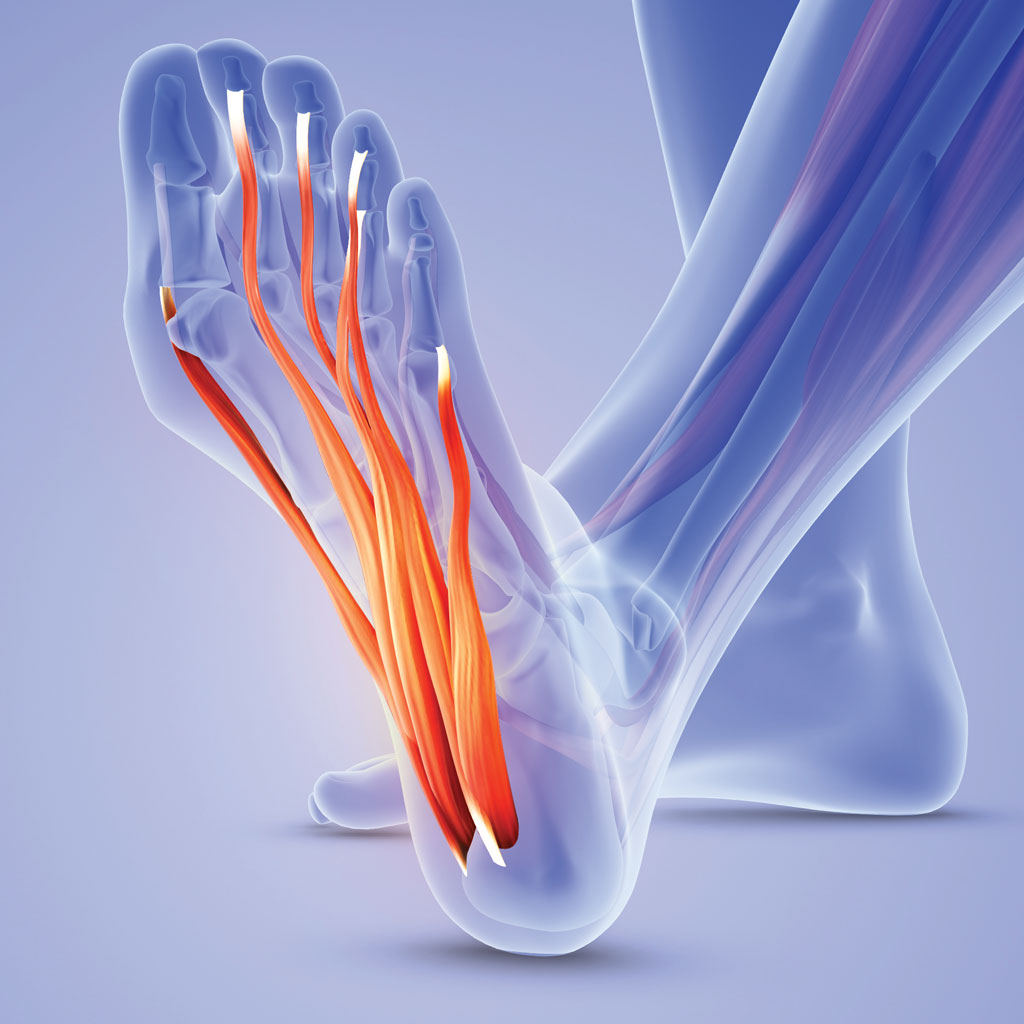
Plantar fasciitis occurs when the plantar fascia—a thick band of tissue running along the bottom of the foot—becomes irritated and inflamed. This tissue supports the arch of your foot and absorbs shock when you walk. Repetitive strain, overuse, or biomechanical issues can cause micro-tears and ongoing inflammation.
Common Plantar fasciitis symptoms:
- Sharp or stabbing heel pain, especially with the first steps in the morning
- Pain that improves with movement but returns after long periods of standing or walking
- Tenderness along the bottom of the foot
- Heel pain after exercise rather than during it
For many patients, symptoms start gradually and worsen over time if left untreated.
Traditional Plantar Fasciitis Treatments: What Usually Comes First
Most people begin with conservative Plantar fasciitis treatments, which may include:
- Rest and activity modification
- Stretching and strengthening exercises
- Ice therapy and anti-inflammatory medications
- Orthotics or supportive footwear
- Physical therapy
- Corticosteroid injections
These approaches are effective for many patients. However, when pain persists for months—or even years—despite consistent treatment, frustration sets in. At that point, some people are told surgery may be the next step.
When Conservative Care Fails: Is Surgery the Only Option?
Surgery for plantar fasciitis is typically reserved for severe, chronic cases. While it can help certain patients, surgery comes with risks, recovery time, and uncertainty—leading many people to search for an alternative to Plantar fasciitis surgery.
That’s where newer, minimally invasive plantar fasciitis treatments are beginning to change the conversation.
A New Approach: Plantar Fasciitis Embolization
Plantar Fasciitis Embolization (PFE) is an innovative, image-guided procedure designed to treat chronic plantar fasciitis without the need for surgery.
Research has shown that chronic plantar fasciitis is often associated with abnormal blood vessel growth and persistent inflammation. Rather than cutting tissue, embolization targets these abnormal vessels.
How Plantar Fasciitis Treatments Work
- A specialist uses imaging guidance to access tiny blood vessels contributing to inflammation
- These vessels are carefully blocked (embolized) to reduce inflammation and pain
- The procedure is performed through a small catheter, typically on an outpatient basis
Potential Benefits
- No incisions or stitches
- Minimal downtime compared to surgery
- Targets the underlying source of chronic inflammation
- Designed for patients whose symptoms have not improved with conservative care
Plantar Fasciitis Embolization is not for everyone, but for the right candidates, it may offer meaningful pain relief without the need for surgery.
Who is a Possible Candidate?
You may want to ask about embolization if you:
- Have had plantar fasciitis symptoms for 6 months or longer
- Have tried multiple conservative treatments without lasting relief
- Want an alternative to plantar fasciitis surgery
- Are looking for a minimally invasive option with a shorter recovery
A consultation and imaging evaluation are essential to determine whether this approach is appropriate for you.
Moving Forward Without Chronic Heel Pain
Living with plantar fasciitis can be exhausting—physically and mentally. If heel pain is limiting your ability to work, exercise, or enjoy daily activities, it may be time to explore newer options like PFE.
For more information about plantar fasciitis embolization and other treatment options offered by VISA, please visit our treatments page or contact us today to schedule a consultation.