
Uterine Fibroid Embolization (UFE)

For women suffering from uterine fibroids, uterine fibroid embolization may be a safe and effective non-surgical option that allows them to keep their uterus.

UFE is performed at our outpatient center by an interventional radiologist–a specially trained doctor who uses imaging to guide the treatment from inside the body. During the procedure, the doctor threads a small catheter through the body to the site of the blood vessel feeding the fibroids. The vessel is then blocked or “embolized,” which deprives the fibroids of oxygenated blood, causing them to shrink and symptoms to disappear.
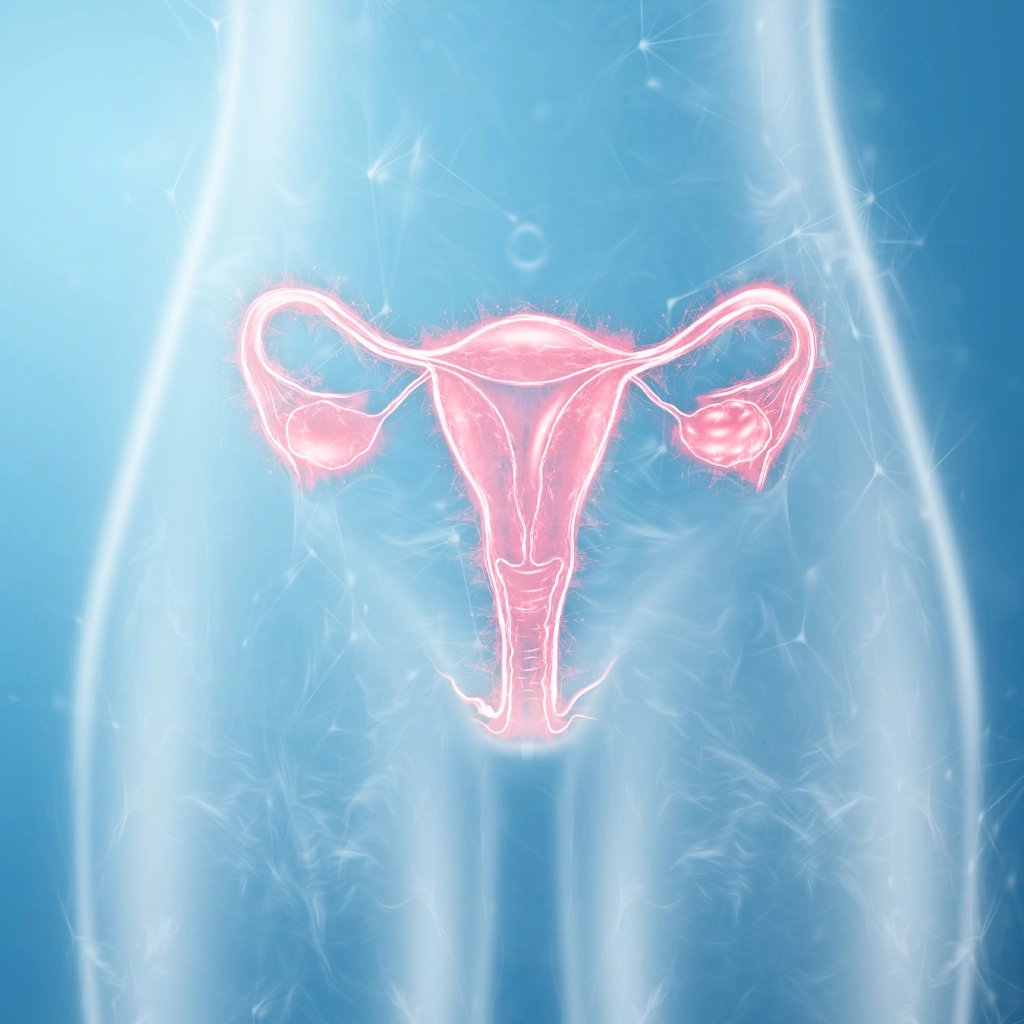
Patients are able to return home after the procedure, and resume normal activities within a couple of days.

Women who have UFE reported a high level of satisfaction and a significant improvement to their quality of life, even over the long term.1,2 In fact, the American College of Obstetrics and Gynecology (ACOG) now recommends UFE as a safe and effective treatment for uterine fibroids.

Take our quiz and see if you qualify for uterine fibroid embolization »

The UFE Procedure

  1. Prior to the procedure, you may receive “twilight” sedation. You will be relaxed and sleepy but are not unconscious like with traditional surgery. After numbing the skin, the interventional radiologist inserts a tiny catheter under the skin and into the blood vessels in the wrist or the thigh.
  2. Using imaging to guide the procedure, the doctor advances the catheter to the uterine artery.,
  3. Tiny microparticles are injected into the small blood vessels feeding the fibroids. These become lodged in the smaller blood vessels, blocking blood flow. This causes the fibroids to shrink and disappear over time.

For more information about uterine fibroid embolization, or to schedule a consultation with one of our doctors, please call 205-905-8411.

Take our quiz and see if you qualify for UFE »

  1. Smith WJ, Upton E, Shuster EJ, Klein AJ, Schwartz ML. Patient satisfaction and disease specific quality of life after uterine artery embolization. Am J Obstet Gynecol. 2004;190(6):1697–1703.
  2. Scheurig-Muenkler C, Koesters C, Powerski MJ, Grieser C, Froeling V, Kroencke TJ. Clinical long-term outcome after uterine artery embolization: sustained symptom control and improvement of quality of life. J Vasc Interv Radiol. 2013;24(6):765–771

Uterine Fibroid Embolization Frequently Asked Questions

The most common symptoms of this condition include:

  • Heavy or prolonged menstrual bleeding
  • Pelvic pain or pressure
  • Painful menstrual cramps
  • Pain during intercourse
  • An enlarged abdomen or noticeable bulge in the abdomen
  • Frequent urination or difficulty emptying the bladder
  • Constipation
  • Lower back pain
  • Difficulty getting pregnant

Fibroids may stay the same size, grow or even shrink on their own. For some women after menopause, fibroids may shrink as estrogen and progesterone levels fall. If they aren’t causing any symptoms, most doctors will recommend a period of “watchful waiting” rather than suggesting treatment. When symptoms become painful or begin to impact your quality of life, treatment is generally recommended.

Women with fibroids (also called uterine myomas or leiomyomas) now have an alternative to surgery. Uterine fibroid embolization (UFE) is a minimally invasive and highly effective treatment for symptomatic fibroids. The benefits of UFE (also sometimes called uterine artery embolization or UAE) are that it requires no hospitalization, no general anesthesia, no long recovery and no surgical scarring. It is successful for more than 90% of women who undergo the procedure. UFE has been used to treat fibroids for more than 20 years and is a safe option for women who wish to avoid surgery and keep their uterus.

Unlike hysterectomy (surgical removal of the uterus) or myomectomy (surgical removal of the fibroids from within the uterus), UFE is not a traditional surgery requiring anesthesia. It is a minimally invasive procedure performed entirely through the bloodstream, using tiny catheters guided by fluoroscopic (x-ray) imaging. When the catheter reaches the uterine artery, the specially trained doctors (an interventional radiologist) embolizes or “blocks” the flow of blood into the fibroid, which causes it to shrink. As the fibroid shrinks, the symptoms begin to disappear. Because there are no surgical incisions required (just a nick in the skin of the wrist or thigh to insert the catheter), there is no large surgical scar with UFE.

Uterine fibroid embolization has a much shorter recovery time compared with hysterectomy or myomectomy, but the first few days can be uncomfortable. Many women experience cramping or pelvic pain as the fibroids begin to lose their blood supply. You may be prescribed medication to help with the pain. After about a week, you will be able to resume most normal activities.

The effects of UFE are not felt immediately. It can take 2 or 3 months before symptoms noticeably improve. However, fibroids continue to shrink, in many cases a year or more after the procedure. Studies have shown the vast majority of women remain fibroid-free for 10 years after UFE.

Yes. Studies show that 26% of women can experience a fibroid recurrence within 7 years after UFE, compared with 21% after myomectomy. Recurrence is more common in women who have had a UFE before the age of 40.

Women with confirmed uterine fibroids that are causing symptoms may qualify for UFE. Women with multiple fibroids and large fibroids may be especially suited for UFE, as well as women who wish to avoid surgery and its associated risks.

It is an excellent option for women who wish to keep their uterus. However, pregnancy after UFE–while possible–has not yet been widely studied.

Yes, most private insurance and Medicare cover the UFE procedure.

Do you qualify for Uterine fibroid embolization (UFE)? Take our quiz below to find out!

This field is for validation purposes and should be left unchanged.
Name(Required)
How soon would you like to schedule a consultation?(Required)