
Hip Osteoarthritis/Hip Pain

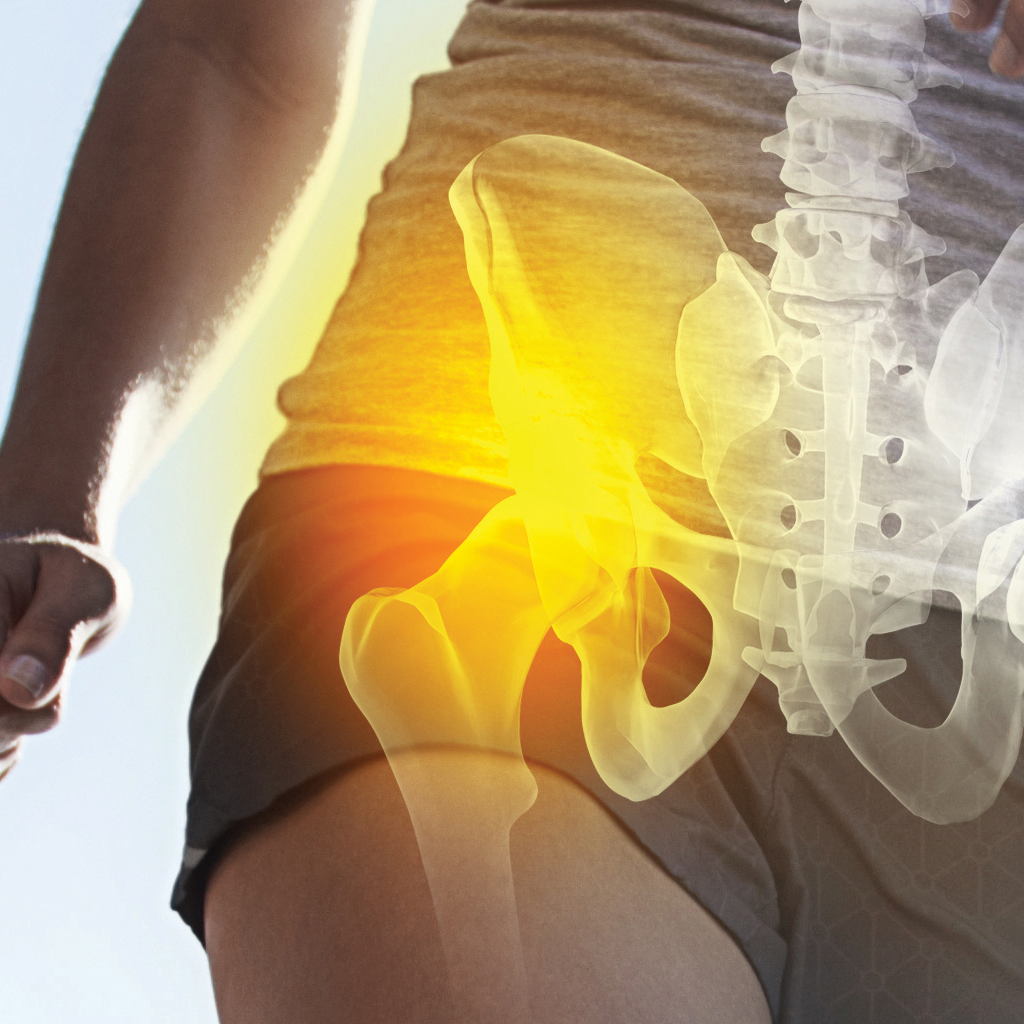
Hip osteoarthritis is a degenerative condition in which the protective cartilage within the hip joint gradually wears away with age. Without the cartilage, the bones rub against each other, causing pain, stiffness and reduced mobility. Other forms of hip pain include synovitis (inflammation) and persistent pain after hip replacement surgery.

The inflammation from these conditions may cause abnormal blood vessels to form in the joint, which causes persistent pain in the joint, as well as pain that spreads to the buttocks or thighs. Stiffness may be felt, especially in the morning. The condition can also reduce the joint’s range of motion and lead to impaired or limited mobility.
What are my treatment options?

Treatment for hip pain generally progresses from conservative options to more invasive treatments. Physical therapy can be used to improve strength and mobility. Anti-inflammatory medications can be used to control pain. Weight management reduces stress on the joint. Corticosteroid injections may be recommended to temporarily reduce inflammation within the joint. These measures are all considered conservative options.

Surgery, in the form of hip replacement, is recommended for severely damaged joint surfaces; surgery may be the only option if all the cartilage within the joint has worn away. However, another option is available for patients whose osteoarthritis has not yet progressed to this point: hip artery embolization. This minimally invasive procedure embolizes or “cuts off” blood flow through the abnormal blood vessels that form in the joint. This can reduce pain and inflammation without needing to replace the hip joint.